
Bridgerton bookish betrayal why Anthony and Kate’s story was changed for the screen
A little book vs show insight for bridge rain season 2
Kriti Singh
4/2/20263 min read
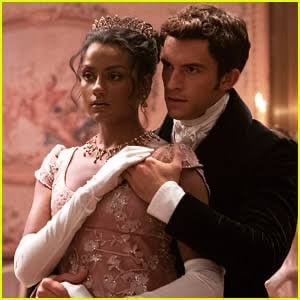
The "Enemies to Lovers" trope is the bread and butter of romance literature, but few have mastered it quite like Julia Quinn in The Viscount Who Loved Me. However, when Netflix’s Bridgerton Season 2 dropped, book purists and casual viewers alike noticed a massive shift. The soul of the story remained, but the "how" was fundamentally different.
If you’ve ever wondered why the showrunners ditched the book's forced marriage for a "slow-burn" yearning that lasted eight episodes, you’ve come to the right place.
1. The "Bee" Incident
In the original novel, the "Bee Scene" is the turning point that forces a marriage. When Kate gets stung, a terrified Anthony (who watched his father die from a sting) panics. In a moment of Regency-era absurdity, he tries to "suck the venom out" of her chest. They are caught in this compromising position by their mothers, and per the laws of 1814 they are forced to marry to save Kate’s reputation.
The Show’s Pivot: The Netflix version completely removes the "forced marriage" trope. Instead, the bee sting is used as a moment of pure, raw psychological trauma. We see Anthony’s panic attack and Kate’s gentle realization that the "unshakeable" Viscount is actually a broken man.
The "Why": The writers wanted the choice to be theirs. By removing the forced marriage, the show allowed Anthony and Kate to choose each other because of love, not because of a social scandal.
2. The "Edwina" Factor: Sisterly Love vs. Romantic Rivalry
In the book, Edwina Sheffield is a secondary character who is actually quite happy to see Anthony and Kate together. She isn't in love with Anthony; she wants a scholar, not a Viscount. There is no "love triangle."
The Show’s Pivot: The show turned Edwina into a central figure and pushed the "triangle" to the absolute limit all the way to the altar. Edwina actually falls for the idea of Anthony, making Kate’s feelings for him feel like a betrayal of her sisterly duty.
The "Why": Conflict is the engine of television. While the book’s internal monologues are beautiful, TV needs external stakes. By making the stakes "Sister vs. Sister," the show heightened the tension.
3. The "Sheffields" vs. The "Sharmas"
One of the most praised changes is the "Indianization" of the lead family. In the books, the Sheffields are a typical English family. In the show, they are the Sharmas, hailing from Bombay (Mumbai).
The "Why": This added a layer of "The Outsider" to Kate’s character. She wasn’t just a "spinster" (as she is in the book); she was a woman trying to navigate a foreign society while protecting her family’s secret. The addition of "Appa," the mention of "Gilly," and the Haldi ceremony added a rich, cultural texture that made the characters feel more grounded and unique than their book counterparts.
4. The Library Scene
Both the book and the show feature a scene where Kate and Anthony are trapped in a library during a thunderstorm. In the book, Kate hides under a desk because she is terrified of the storm (rooted in her own past trauma involving her mother's death).
The Show’s Pivot: The show flips the script. It’s not Kate who is terrified; it’s Anthony who is haunted by the past. The library scene becomes a quiet moment where they realize they are mirror images of one another two eldest siblings carrying the weight of their families on their shoulders.
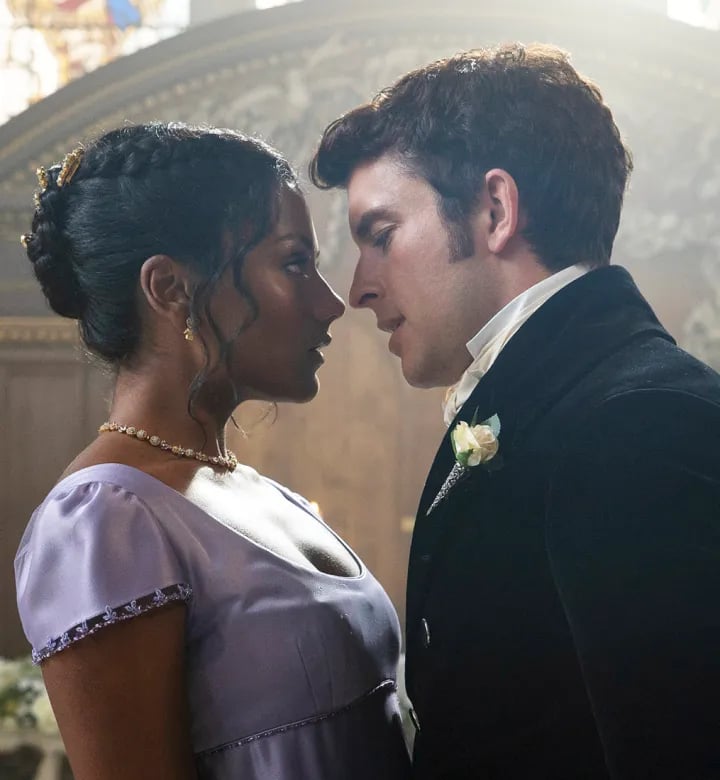
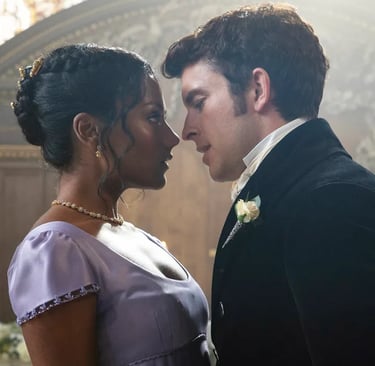
5 The altar drama : a Shakespeare homage
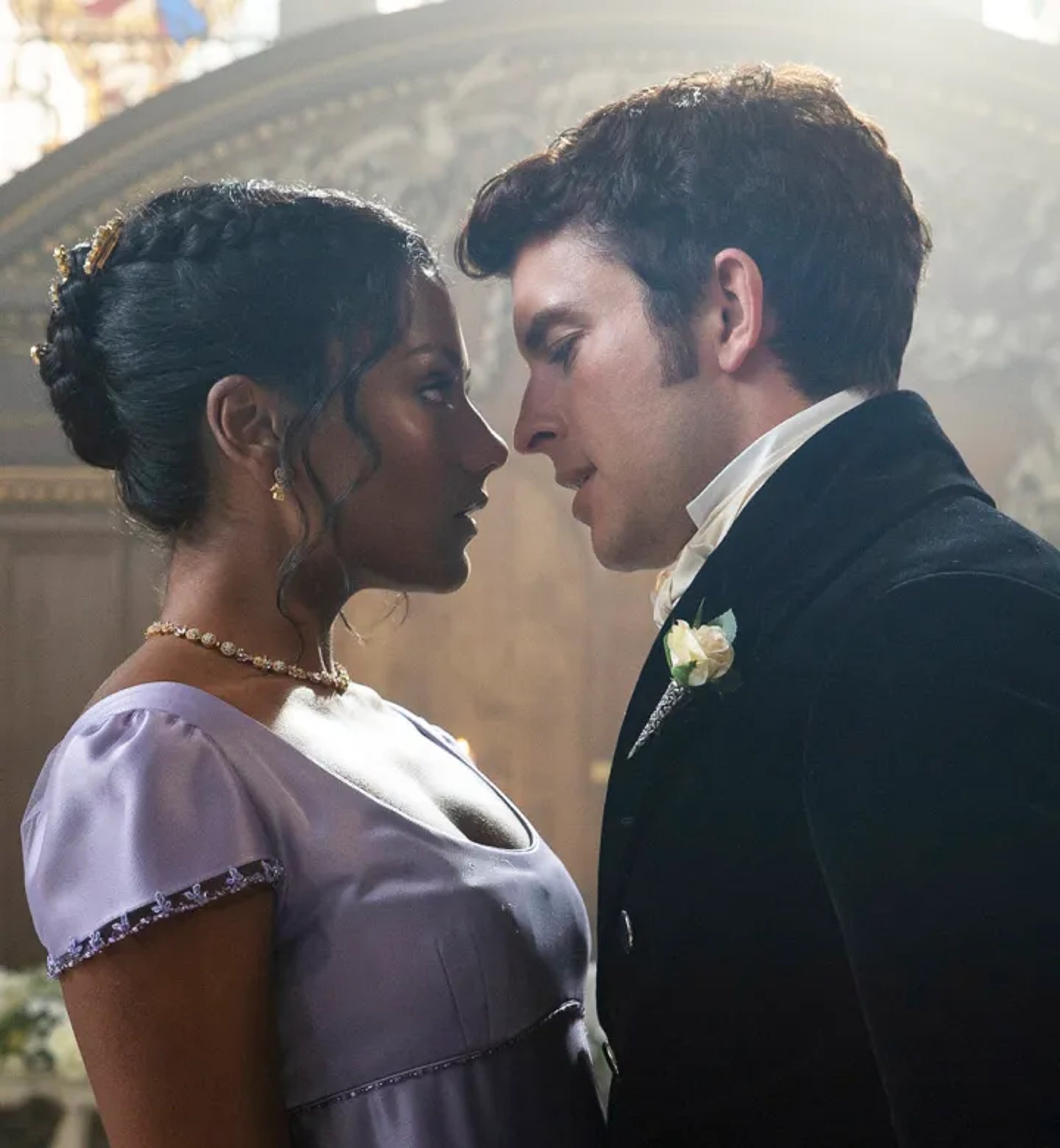
Perhaps the biggest "betrayal" of the book was the wedding. In the book, there is no "triangle" with Edwina. She is happy to step aside. But the show pushes Anthony and Edwina all the way to the altar.
The Juicy Connection: This is a direct nod to the "Broken Nuptials" trope in Much Ado About Nothing. In the play, a scandal at the altar (involving Hero and Claudio) is the catalyst that finally forces Beatrice and Benedick to confess their love.
In Bridgerton, the failed wedding serves the exact same purpose. It’s the moment the "War of Wits" ends and the truth begins. While book purists hated the "sister vs. sister" drama, it provided the high-octane theatricality that Shakespearean comedies are known for.
This post is a part of blog hatter a2z challengehttps://www.theblogchatter.com/