
F is for... The "Fire" That Never Was: Kafka’s Great Final Betrayal
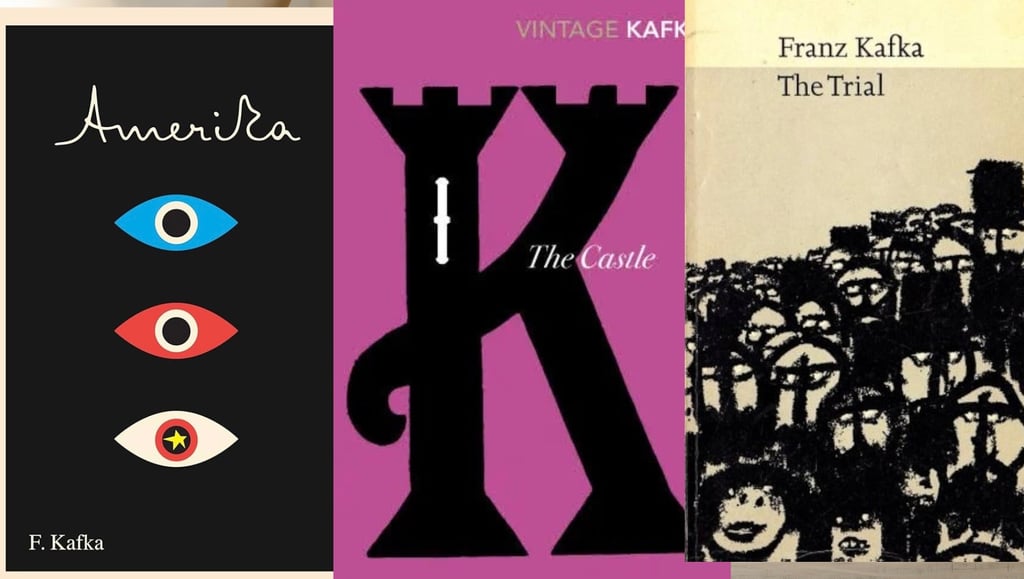
What if I told you that every time you pick up a copy of The Trial, The Castle, or the amerika you are participating in a massive act of disobedience? What if the very existence of these masterpieces is the result of a best friend’s ultimate Failure to Comply?
Kriti Singh
4/7/20263 min read
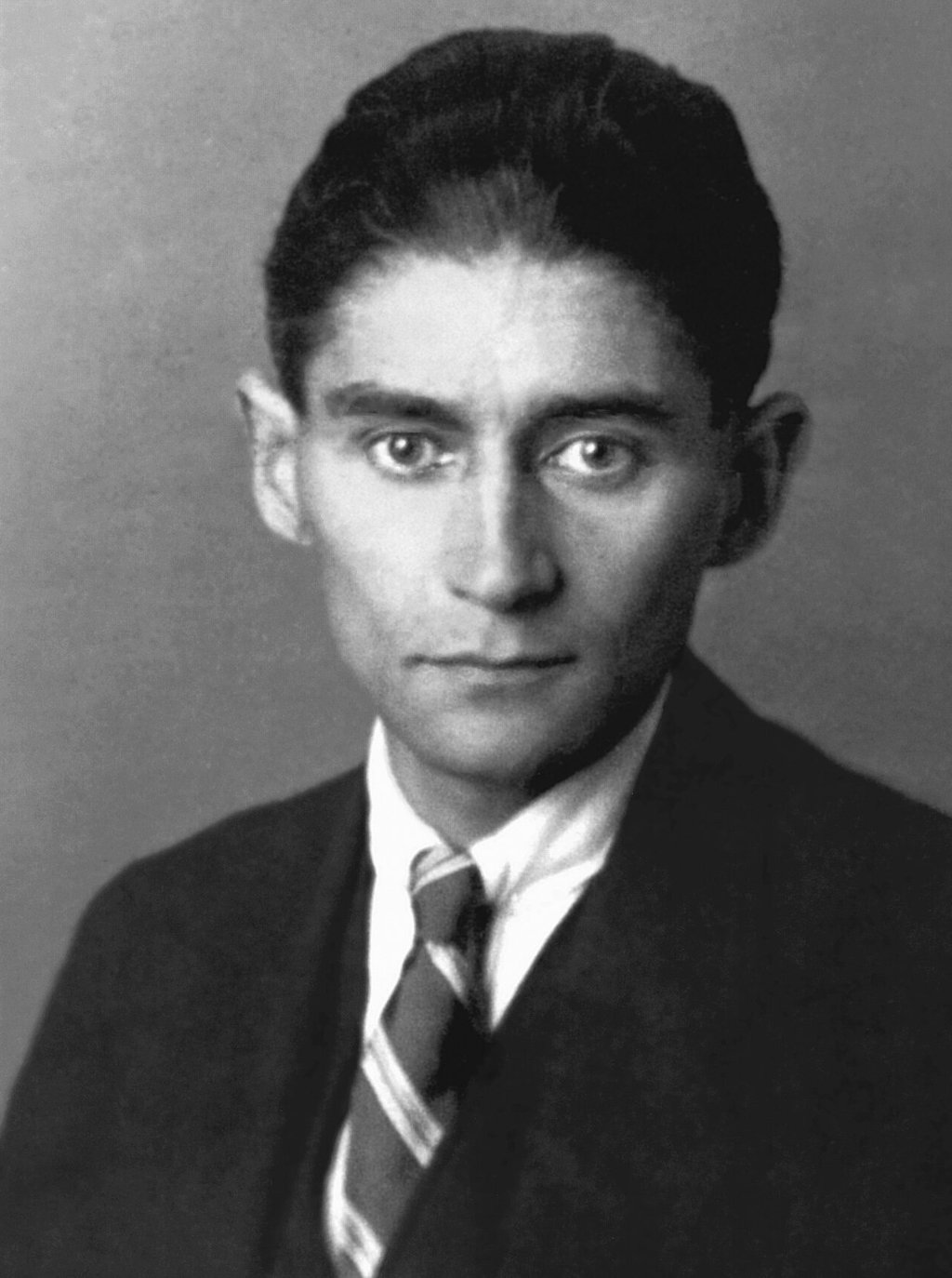
As a book blogger and a digital creator, we spend our lives celebrating the "soul" of a story. We talk about the beauty of the written word, the impact of a narrative, and the legacy of an author. But we have to look at a darker side of the literary world: The Final Request of Kafka.
What if I told you that every time you pick up a copy of The Trial, The Castle, or the amerika you are participating in a massive act of disobedience? What if the very existence of these masterpieces is the result of a best friend’s ultimate Failure to Comply?
The story of Franz Kafka isn't just about a man who turned into a bug; it’s about a man who wanted his entire life’s work to be turned into ash.
1. The "Final" Instruction
In 1924, as Franz Kafka lay dying of tuberculosis, he did something that most authors would find unthinkable. He didn’t plan a posthumous book tour. Instead, he wrote a note to his closest friend, Max Brod.
The Juicy "Investigative" Detail:
The note was a deathbed command. It was simple, cold, and devastating:
Dearest Max, my last request: Everything I leave behind me... in the way of diaries, manuscripts, letters (my own and others’), sketches, and so on, is to be burned unread."
Kafka didn’t want to be a Classic. He wanted to be Erased. He viewed his writing as a private struggle a "blueprint" of his own neuroses and he didn't believe it was fit for the world's eyes.
2. The "Friendship" Betrayal
This is where the "investigative" juice gets thick. Max Brod had a choice: he could be a "good friend" and light the match, or he could be a "good curator" and save the world’s greatest literature.
The Reveal:
Max Brod looked at the piles of manuscripts the unfinished novels that would eventually change the course of 20th-century philosophy and he said "No." He didn't just ignore the request; he did the exact opposite. He spent the rest of his life editing, organizing, and publishing every single word Kafka had written.
The "Wait, What?" Fact:
Brod claimed that he had told Kafka to his face that he would never burn the manuscripts. He argued that if Kafka truly wanted them burned, he would have done it himself or asked someone more "reliable" (and less appreciative of literature) to do it. By leaving them to Brod, Kafka was subconsciously asking for the Fame he claimed to despise.
3. The "Ethics" of the Literary Voyeur
As a reader, this brings up a haunting question: Do we have the right to read what an author wanted to destroy?
When we read The Trial, we are looking into the "soul" of a man who explicitly begged us not to look. We are voyeurs in his private nightmares.
• The "C" for Connection:Much like we looked at the "Censored" version of Dorian Gray, Kafka is the opposite. This isn't a publisher cutting words to
protect the public; this is a public stealing words the author tried to hide.
• The Aesthetic:Kafka’s world is "Kafkaesque"—it’s bureaucratic, cold, and nonsensical. There is a "juicy" irony in the fact that the most famous "Kafkaesque" thing to ever happen was the legal and social battle over his own dead body’s work.
4. The "Future" of the Manuscripts
The betrayal didn't end with Max Brod. The Fate of these papers took an even weirder turn in the 21st century.
The Modern Investigation:
When Max Brod died, he left the remaining Kafka manuscripts to his secretary, Esther Hoffe. She kept them in a small apartment in Tel Aviv, surrounded by cats. For decades, scholars were barred from seeing the Evidence of Kafka’s genius because they were being guarded by a woman and dozens of felines.
It took a decade-long legal battle in the Israeli Supreme Court (ending only recently) to finally move those papers into a national library. Even 100 years later, Kafka’s "soul" was still being "trapped" in a bureaucratic nightmare the exact kind of story he would have written.
This blog is the part of blogchatters A2z challenge https://www.theblogchatter.com/