G is for... The "Grave" of the fireflies The Secret Apology in the Candy Tin
we are investigating a "blueprint" that is far more grounded and "G" for Grievous. Grave of the Fireflies (1988) is widely considered the most powerful anti-war film ever made.
Kriti Singh
4/8/20262 min read
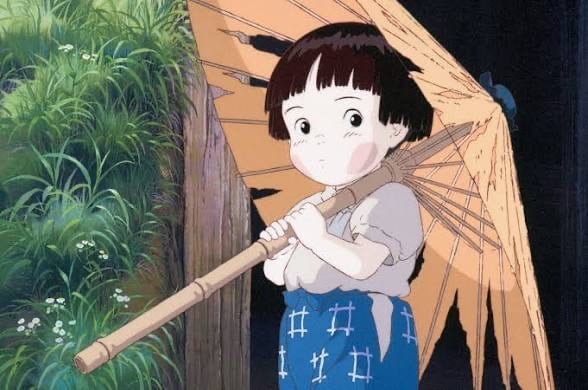
Grave of the Fireflies (1988) is widely considered the most powerful anti-war film ever made. But the "investigative" truth behind the story isn't just about the History of WWII; it is about the Guilt of one man: the author, Akiyuki Nosaka.
1. G is for... The "Grave" Reality (The Candy Tin Secret)
The fruit drop tin (Sakuma Drops) is the most iconic Evidence in the film. It represents the last shred of childhood Glee in a world of fire and ash.
The Investigative Detail:
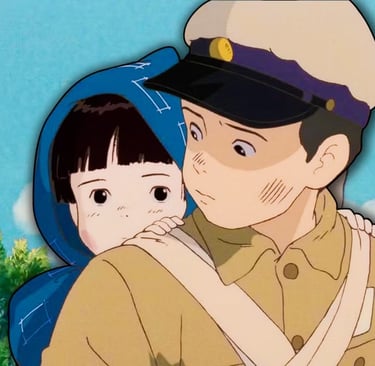
Most viewers know the story is semi-autobiographical, but the "blueprint" of the candy tin is darker than the movie portrays. In the film, Seita is a Heroic brother who does everything to save his sister, Setsuko.
The Reveal:
In real life, Akiyuki Nosaka (the author) admitted he wasn't the hero we see on screen. He confessed that during the hunger of 1945, he was so consumed by his own Extinction-level starvation that he occasionally ate the food meant for his sister. He even admitted to hitting her when she wouldn't stop crying from hunger.
2. G is for... The "Great" Idealization (Seita vs. Nosaka)
This is where the "investigative" juice turns into a "G" for Ghostly intervention.
The Mind-Blowing Trivia:
Nosaka didn't write the book to Educate the world about war. He wrote it as a Literal Apology to his dead sister.
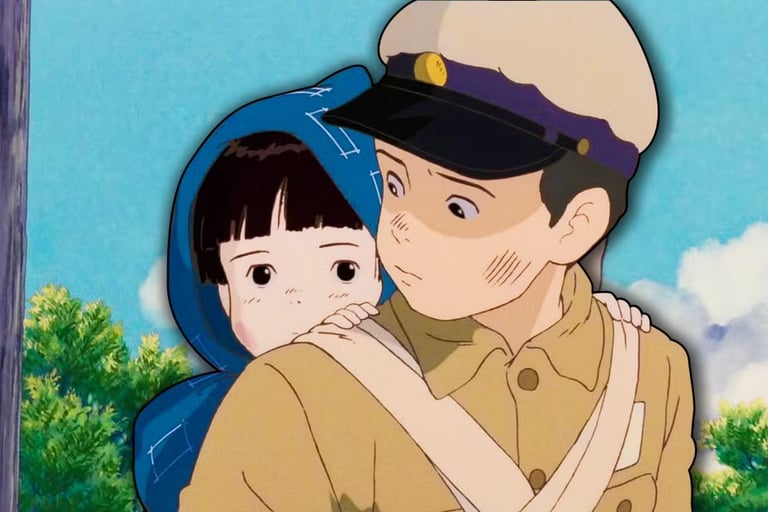
• The Fiction Logic:He created the character of Seita to be the "Idealized" version of himself—the brother he wishedhe had been.
• The Hook:Every Heroic act Seita performs in the movie is actually Nosaka’s own shame. He was giving her the protection in Fiction that he was too weak to provide in reality.
3. The "Ghibli" Ghost Frame
As a digital creator, you’ll find the visual Engineering in this movie haunting.
The Investigative Detail:
There is a Ghost hidden in the color grading of the film.
• The Reveal:Notice that Seita and Setsuko are often bathed in a warm, reddish glow, even when they are in the dark.
• The "Wait, What?" Fact:Director Isao Takahata intended for the red-tinted Seita and Setsuko to be actual ghostswatching their own past. They aren't just characters in a story; they are Guardiansof their own trauma, trapped in a loop of "Grief.
4. . The "Generational" Scar
As a Book PR specialist, you can look at the Grave of the Fireflies as a "masterpiece of Emotional Marketing."
The Juicy Connection:
When the film was originally released in Japan, it was screened as a Double Feature with My Neighbor Totoro.
• The Disaster:Parents would take their kids to see the "chic" and cute Totoro, only to be "G" for Gut-punchedby the tragedy of the Fireflies immediately after.
• The Result:It created Generational trauma that made the film a Cult Classic, not because people liked it, but because they could never "Erase it from their minds.
This post is a part of blogchatters A2Z challenge https://www.theblogchatter.com/