
Q is for… The “Quicksand” Quandary: The Blueprint of the Disappearing Self
Beyond the quest lies a Quandary. Discover the "investigative" blueprints of Nella Larsen’s Quicksand and the Exotic trap of a life lived for others.
Kriti Singh
4/21/20262 min read


In the world of book blogging, we often talk about “finding ourselves.” But what if some stories are not about discovery at all but about disappearance?
For the letter “Q,” we move away from comfort reads and into something far more unsettling: quicksand. Not the dramatic, cinematic kind but the quiet, psychological version. The kind where you don’t realize you’re sinking until you’re already waist-deep in expectations, roles, and identities that don’t feel like your own.
At the centre of this exploration is a novel that doesn’t just tell a story, but engineers a slow unraveling of the self.
The “Queens” of Copenhagen
The Exotic Blueprint
One of the most striking aspects of Quicksand is its dual setting: the grounded, complex reality of Harlem and the polished, almost surreal elegance of Copenhagen.
When Helga Crane leaves America, she believes she is escaping racism, judgment, and emotional suffocation. And for a moment, it seems like she succeeds. In Denmark, she is admired, celebrated even elevated.
But admiration comes at a cost.
She is no longer seen as a person, but as a spectacle. Her relatives dress her in bold silks, ornate jewelry, and exaggerated colors—not to express who she is, but to display her. She becomes an aesthetic. A curated identity. A living painting.
The unsettling realization?
Whether in New York or Copenhagen, Helga is valued for her persona, not her personhood.
And that’s where the quicksand begins.
The “Quiet” AutobiographyThe Hidden Blueprint
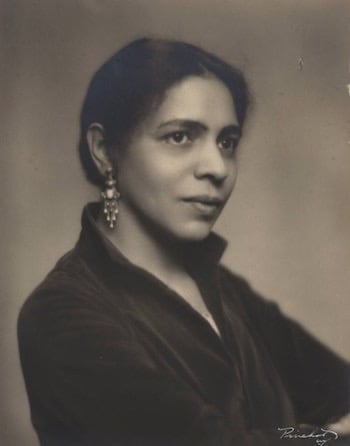
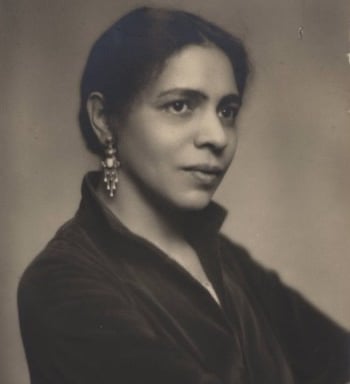
What makes Quicksand even more compelling is how closely it mirrors the life of its author, nella
Larsen herself was born to a Danish mother and a Caribbean father straddling two worlds, yet never fully belonging to either. Like Helga, she experienced a persistent sense of displacement, of being in between identities.
She wasn’t just writing fiction. She was documenting a feeling.
A quiet, internal investigation into questions like:
Where do I belong?
Who defines me?
What happens when every space asks me to become someone else?
This autobiographical undercurrent adds depth to the novel—it transforms it from a narrative into a lived experience.
The “Quiche” of Death?
The Genre Pivot Now, if “quicksand” feels a little too heavy, the letter “Q” has range.
Take quiche of death a cozy mystery that offers a completely different blueprint. Set in the idyllic English countryside, it combines charm with intrigue, revolving around a competitive baking contest that takes a deadly turn.
It’s light, witty, and structured for comfort.
But here’s the interesting contrast:
While Quicksand pulls you inward into identity and existential unease The Quiche of Death pulls you outward, into plot, puzzle, and resolution.
Same letter. Entirely different emotional architecture.
Have you ever felt like you were sinking in Quicksand while trying to fit into a Box someone else "engineered" for you? And which Queen in literature do you think has the most Dangerous blueprint?
A2Z Challenge 2026.
This post is a part of blogchatter A2Z. Challenge https://www.theblogchatter.com/