
W is for Wuthering Heights: The Forensic Blueprint
Beyond the plot lies the Forensics. Discover the "investigative" blueprints of Emily Brontë’s Wax-stained manuscript and the Water Secrets that Engineered her world.
Kriti singh
5/1/20265 min read
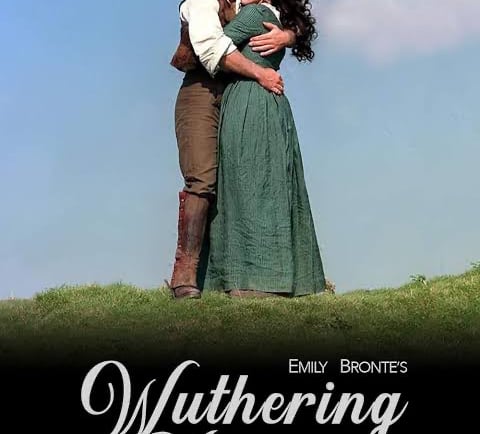
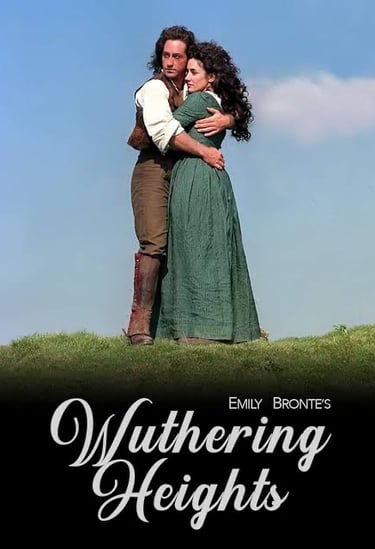
In the world of literary fame, Wuthering Heights is usually discussed through passion, revenge, doomed love, and gothic atmosphere. But beneath the stormy romance lies something more interesting: a private system of construction. Emily Brontë did not simply write a dramatic novel. She engineered a tightly controlled machine of voice, secrecy, environment, and emotional damage. Modern readers often approach the book through plot, yet the real fascination begins when you investigate how it was built
Published in 1847 under the pseudonym Ellis Bell, the novel arrived from a writer who had almost no public literary presence. Emily Brontë was intensely private, lived much of her life in Haworth Parsonage, and left behind far fewer explanatory letters or statements than many canonical authors. That absence created myth. With limited direct commentary from the author, the book itself became evidence. Every narrative choice, every setting detail, every structural oddity now reads like a clue.
1. The Double-Narrator System: A Controlled Crime Scene
Most first-time readers remember Heathcliff and Catherine. What they often overlook is that neither of them narrates the book directly. Emily Brontë places two filters between the reader and the central tragedy: Mr. Lockwood and Nelly Dean.
This is not accidental. It is one of the most sophisticated concealment devices in nineteenth-century fiction.
Lockwood is an outsider. He misreads social cues, misunderstands personalities, and arrives with vanity disguised as politeness. Nelly Dean appears practical and trustworthy, but she is deeply involved in the family history she recounts. She is not a neutral witness. She judges, intervenes, withholds, and occasionally manipulates.
The result is that the novel functions like a case file assembled from compromised testimony.
Readers are never given clean access to events. We receive memory through personality, gossip through bias, and confession through retelling. Emily Brontë understood that truth becomes more compelling when partially obscured. Instead of giving us facts, she gives us evidence.
That is why Wuthering Heights still provokes arguments. Was Heathcliff born monstrous or made monstrous? Was Catherine cruel, trapped, or both? Did Nelly worsen events through interference? The text refuses final verdicts because the blueprint was designed to resist certainty.
2. The Geography of Power
The two houses wuthering Heights and Thrushcross Grange are more than settings. They are operating systems.
Wuthering Heights is exposed, wind-beaten, harsh, and physically defensive. Its architecture suggests endurance rather than comfort. Gates, stone, rough weather, and locked rooms dominate its atmosphere. It represents survival through hardness.
Thrushcross Grange is cultivated, polished, warm, and socially refined. It reflects manners, wealth, inheritance, and controlled appearances.
Emily Brontë uses these houses the way a modern filmmaker uses contrasting visual palettes. Characters change when they cross thresholds.
Catherine Earnshaw belongs emotionally to the Heights but becomes socially altered by the Grange. Heathcliff is humiliated by Grange standards and later weaponizes their values. Young Cathy moves between both worlds as if crossing competing ideologies.
The novel’s emotional conflicts are embedded in architecture. Love is not simply between people; it is between systems of living.
This is why adaptations that treat the moors as decorative scenery often miss the point. The landscape and buildings are active participants in the story.
3. Weather as Evidence, Not Decoration
The word “wuthering” itself refers to turbulent atmospheric sound. Wind, cold, storms, mud, and winter are not gothic accessories. They are recurring signals of instability.
Emily Brontë understood something modern psychology later articulated: environment shapes emotional experience. Characters in the novel are rarely insulated from weather. They are drenched by it, delayed by it, trapped by it, and transformed inside it.
Snowstorms produce confinement. Wind accompanies agitation. Darkness magnifies suspicion. Journeys become ordeals rather than transitions.
This gives the novel a physical intensity many domestic Victorian novels lack. The body is always present cold hands, exhaustion, illness, injury, hunger, sleeplessness. Emotion is not abstract. It is environmental.
4. The Heathcliff Puzzle
Few literary characters have generated more fascination than Heathcliff because Emily Brontë leaves key facts unresolved.
His origins are uncertain. His ethnicity is ambiguously described. His motives fluctuate between devotion, humiliation, cruelty, obsession, and despair. He is capable of tenderness and sadism, strategic intelligence and self-destruction.
This ambiguity is part of the design.
If Heathcliff were fully explained, he would become smaller. By refusing to classify him neatly, Brontë keeps him volatile. He enters the story as foundling, outsider, and disruption. He later becomes landlord, avenger, and haunting presence.
Heathcliff also understands social systems better than those who mock him. He learns property, inheritance, debt, leverage, marriage law, and psychological pressure. He returns not just richer, but structurally armed.
Many readers see only rage. The forensic reading sees method.
5. Catherine Earnshaw: The Real Center of the Book
Popular culture often reduces Catherine to the woman between two men. The text presents something more dangerous: a person divided between identity and status.
Her famous declaration of connection to Heathcliff is usually quoted romantically, but the surrounding context reveals conflict. Catherine wants emotional union with Heathcliff and material security through Edgar Linton. She tries to occupy two incompatible realities.
That split destroys the center of the novel.
Emily Brontë’s brilliance lies in refusing to punish Catherine through moral lecture. Instead, she shows fragmentation as consequence. Catherine becomes physically and mentally destabilized because she cannot reconcile selfhood with performance.
This is not melodrama. It is psychological architecture.
6. Inheritance, Property, and Legal Violence
Underneath the passion lies a ruthless legal plot.
Heathcliff’s revenge succeeds not through duels or murders, but through ownership transfer. He exploits marriage, guardianship, debt, and inheritance customs to seize both estates.
That matters because it grounds the novel’s extremity in realism. The most devastating acts are bureaucratic.
Forced dependence, strategic marriages, coerced residence, denial of education, control of money—these are the mechanics of domination throughout the book.
Readers expecting only romance miss that Wuthering Heights is also a study of property as violence.
7. Illness and Confinement
Sickness repeatedly redirects the story.
Characters fall ill after emotional shock, environmental stress, overexertion, or prolonged misery. Bedrooms become battlegrounds. Recovery is uncertain. Caregiving is mixed with resentment. Death is often preceded by isolation.
Victorian readers were familiar with fragile health narratives, but Brontë uses illness differently. Disease in this novel is not sentimental purity. It is bodily collapse under unresolved conflict.
Catherine’s decline, Linton Heathcliff’s weakness, and Heathcliff’s final deterioration each reveal different forms of damage: emotional, inherited, and obsessive.
8. Why the Book Shocked Its First Readers
When published, many reviewers were disturbed by the novel’s brutality, moral wildness, and refusal to reassure.
That reaction makes sense.
There is no stable moral authority. Religious language does not restore order. Respectability often masks weakness. Victims can be cruel. Villains can be wounded. Love can be destructive. Children inherit trauma.
The book violated expectations that fiction should refine readers. Instead, it exposed them to disorder.
Today this feels modern. In 1847, it felt dangerous
.
Final Verdict
Wuthering Heights endures not because it is simply romantic or gothic, but because it was engineered with forensic precision. Emily Brontë built a narrative where testimony is unreliable, place determines behavior, law enables cruelty, love mutates into possession, and environment enters the bloodstream of the story.
This post is a part of blogchatter A2z challenge https://www.theblogchatter.com/