Z is for Zorro: The Blueprint of the Zenith
Beyond the mask lies the Zenith. Discover the "investigative" blueprints of Isabel Allende’s "heroic" masterpiece and the Secret Origin she Engineered.
Kriti Singh
5/1/20263 min read
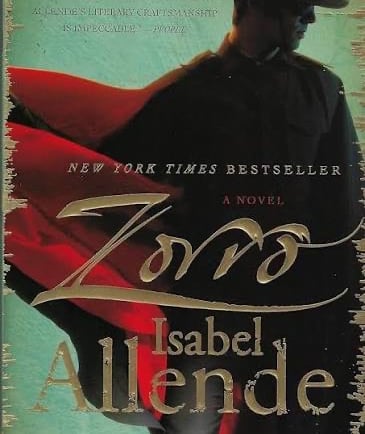
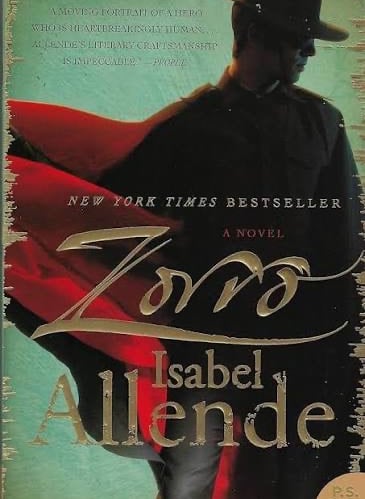
In the world of legendary characters, few symbols survive as powerfully as a single letter cut into wood, walls, and memory. For the letter Z, we investigate how Isabel Allende re-engineered one of fiction’s oldest masked vigilantes in Zorro. Rather than repeating the familiar swashbuckling myth, Allende goes backward into family records, colonial politics, training systems, racial hierarchies, and identity construction to examine how a man becomes a legend.
1. Z is for… The “Z” for Z-Shaped Signature
The Branding Blueprint
Before modern superheroes had logos, Zorro had a mark.
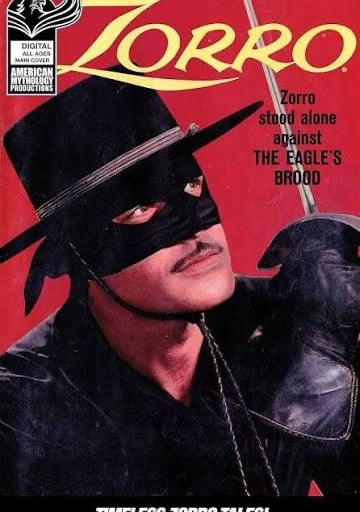
The slash of the Z is one of literature’s most efficient branding devices. It requires no explanation, no speech, and no witness statement. If it appears on a wall, door, or clothing, everyone already knows what happened. Allende understands this and treats the symbol less like decoration and more like psychological warfare.
In her version, Diego de la Vega does not accidentally become famous. His persona is built through repetition and theatre. The black clothing, hidden face, horse, swordplay, and the carved letter create a public narrative stronger than any government announcement.
The letter functions in three ways:
Identification: It confirms the vigilante was present.
Humiliation: It marks corrupt officials after exposing them.
Myth Expansion: Every new carving becomes another rumour.
This is how insurgent branding works: minimal words, maximum recall.
Allende also highlights that Zorro’s enemies often fear the idea of him more than the man himself. Once a symbol spreads, it no longer depends on physical presence. Officials begin expecting attack everywhere. That anticipation weakens authority.
In modern terms, Diego creates a recognisable logo, costume identity, and recurring signature long before mass media existed.
🐎 2. Z is for… The “Z” for Zero Hour Origins
The Historical Blueprint
Many versions of Zorro begin with an already polished hero. Allende instead investigates the manufacturing stage.
She places Diego’s childhood in late eighteenth-century California, during Spanish colonial rule. This matters because it gives the story working institutions: military command, church power, racial caste systems, land control, and frontier lawlessness.
Diego is born into contradiction:
His father is Alejandro de la Vega, an aristocratic Spanish landowner.
His mother, Toypurnia, is Indigenous and spiritually rooted in the land.
This mixed lineage is not background decoration. It becomes the operating system of the character.
From the father’s side, Diego receives access, language, rank, education, and entry into elite spaces. From the mother’s side, he receives survival knowledge, humility before nature, and distrust of abusive power.
That combination explains why he can move between worlds. He belongs fully to neither, but can navigate both.
Allende uses the setting to expose how colonial societies functioned: hierarchy was legalised, violence was normalised, and public honour often hid private cruelty. Diego’s later rebellion emerges logically from witnessing this structure.
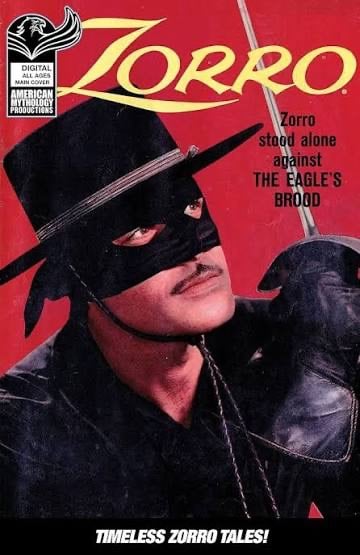
3. The Double Life
The Identity Blueprint
The most durable weapon in the novel is not the sword. It is misdirection.
Diego’s civilian identity is often underestimated. He can appear playful, unserious, distracted, or indulgent. This lowers suspicion. Society assumes competence must look stern and obvious. Diego weaponises that bias.
The mask works because people collaborate with their own assumptions.
Officials search for a brute outlaw. Aristocrats look for a political rival. Soldiers look for a visible enemy. They fail to suspect the charming insider standing nearby.
Allende shows how class performance protects him. Because Diego knows elite manners, he can hide in plain sight. Because he also understands the oppressed, he can move among them without arrogance.
This dual fluency makes him dangerous.
The novel’s real investigation is identity as strategy:
Who gets believed?
Who gets ignored?
Who can move unseen?
Who benefits when people misread appearances?
Diego wins because others keep answering these questions incorrectly.
4 . The Corruption Exposure
The Power Blueprint
Zorro stories require villains, but Allende focuses less on cartoon evil and more on systems that enable abuse.
Her antagonists often possess rank, title, military backing, or inherited privilege. They misuse bureaucracy, law, punishment, and fear. This makes the conflict sharper than simple sword fights.
Diego’s interventions expose weaknesses common to authoritarian structures:
1. Cowardice Behind Uniforms
Men who terrorise civilians often collapse when challenged publicly.
2. Dependence on Reputation
Officials need citizens to believe they are untouchable.
3. Slow Institutions
Rules and chains of command cannot react quickly to agile dissent.
4. Moral Isolation
Those who rule through fear often lack genuine loyalty.
Zorro attacks these pressure points. He embarrasses rather than merely injures. He reveals incompetence in public. He turns authority figures into objects of ridicule.
That matters because ridicule can damage power faster than violence.
Final Verdict
Zorro by Isabel Allende is not merely an adventure retelling. It is a forensic reconstruction of a mythic identity. She examines branding before marketing, resistance before modern politics, and dual identity before superheroes industrialised the concept.
The famous slash of the Z is only the surface mark.
Underneath it lies training, heritage, deception, rage, discipline, and social intelligence.
This post is part of blogchatters A2Z challenge